

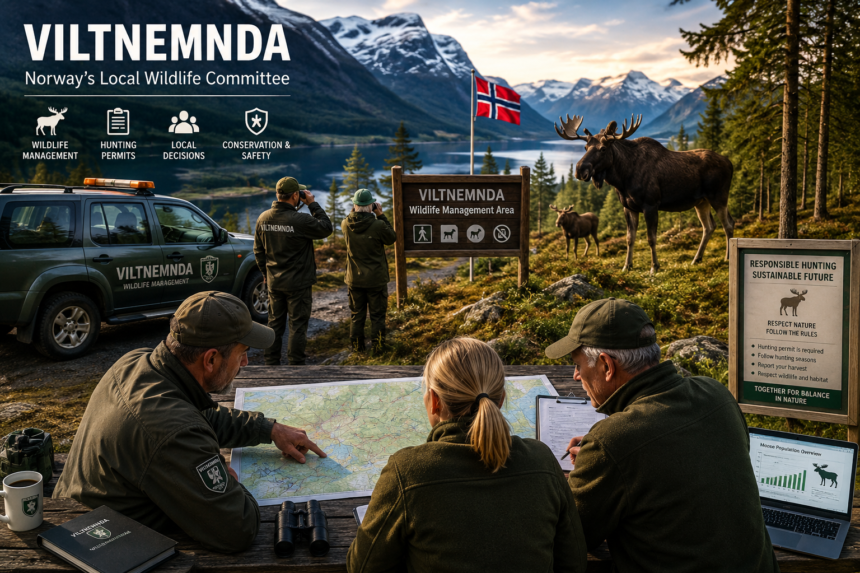
Norway is a country where nature is not just scenery—it is part of everyday life. Forests, mountains, rivers, and vast rural areas are home to a wide range of wildlife including moose, deer, elk, foxes, and many bird species. To manage this delicate balance between humans and nature, Norway relies on a local system known as Viltnemnda, which plays a central role in wildlife control and decision-making.
- Understanding Viltnemnda in Simple Terms
- How Viltnemnda is Structured
- Main Responsibilities of Viltnemnda
- How Hunting Quotas Are Decided
- Wildlife Conflict Management
- Legal Authority of Viltnemnda
- Emergency Wildlife Situations
- The Role of Hunters in Viltnemnda System
- Environmental and Ecological Importance
- Challenges Faced by Viltnemnda Today
- Future of Viltnemnda in Norway
- Conclusion
- FAQs
Norway has built one of the most structured wildlife management systems in the world, and Viltnemnda is a key part of it. These local wildlife committees are responsible for handling hunting regulations, population control, wildlife conflicts, and emergency situations involving animals.
This article explains how Viltnemnda actually works today, what powers it holds, and why it is such an important part of Norway’s environmental governance system.
Understanding Viltnemnda in Simple Terms
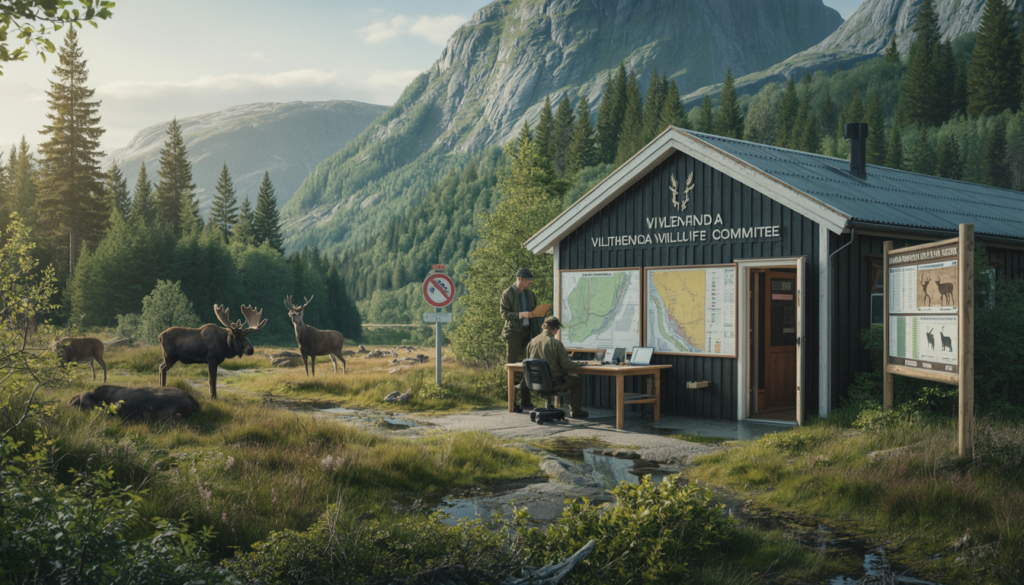
Viltnemnda can be understood as a municipal wildlife committee that operates at the local government level. It is not a single national organization but rather a network of committees spread across different municipalities in Norway.
Each Viltnemnda is responsible for wildlife management within its own geographical area. This means decisions are made locally based on regional wildlife populations, environmental conditions, and human activity.
The main idea behind Viltnemnda is simple:
wildlife should be managed in a way that keeps nature balanced while also protecting human safety and agriculture.
Unlike centralized systems where decisions are made by national authorities, Viltnemnda allows local experts and officials to make practical decisions based on real-time conditions in their area.
How Viltnemnda is Structured
Viltnemnda operates within the municipal system. Each committee is usually appointed by the local municipality council. Members often include:
- Local government representatives
- Wildlife and environmental experts
- Agricultural representatives
- Sometimes hunting and landowner representatives
This mix of people ensures that decisions are not one-sided. For example, farmers may be concerned about crop damage caused by deer, while environmental experts focus on conservation. Viltnemnda brings these perspectives together.
The structure is designed to ensure that wildlife management is both scientific and practical, rather than purely political or emotional.
Main Responsibilities of Viltnemnda
The responsibilities of Viltnemnda are broad and directly impact both wildlife and human life. Their decisions can influence hunting seasons, population control measures, and emergency wildlife actions.
One of their most important roles is managing hunting permits and quotas. Each year, Viltnemnda evaluates wildlife populations and determines how many animals can be legally hunted. This helps prevent overpopulation or overhunting.
They also handle wildlife damage complaints, such as when animals damage farmland, roads, or private property. In such cases, Viltnemnda may approve special hunting permits or other control measures.
Another critical responsibility is dealing with dangerous wildlife situations. If an injured or aggressive animal poses a threat to humans or traffic, Viltnemnda coordinates action with local authorities.
How Hunting Quotas Are Decided
One of the most discussed roles of Viltnemnda is setting hunting quotas. This process is not random—it is based on careful observation and data collection.
Wildlife populations are monitored through field surveys, reports from hunters, and environmental studies. For example, moose population density in a region will determine how many moose can be hunted that year.
Viltnemnda must balance two important goals:
- Protecting wildlife populations so they remain stable
- Allowing controlled hunting for food, tradition, and population control
If too many animals are allowed to be hunted, it can harm biodiversity. If too few are hunted, it can lead to overpopulation, which may result in starvation or damage to forests and farmland.
This balancing act is one of the most important functions of Viltnemnda.
Wildlife Conflict Management
In rural areas of Norway, human-wildlife conflict is a real issue. Animals often move into agricultural land, highways, or residential areas. This can lead to accidents, property damage, or safety risks.
Viltnemnda plays a direct role in handling these situations. When a conflict is reported, they assess the situation and decide the best action.
For example:
- If deer are damaging crops, controlled hunting may be approved
- If a moose is near a highway, traffic warnings or removal actions may be taken
- If an injured animal is suffering, humane euthanasia may be considered
The goal is always to reduce harm while maintaining ethical treatment of wildlife.
Legal Authority of Viltnemnda
Viltnemnda operates under Norwegian environmental and wildlife laws. While it is a local body, it has legally defined authority to make binding decisions within its jurisdiction.
This means that when Viltnemnda approves a hunting quota or emergency wildlife action, it must be followed by hunters and landowners.
However, Viltnemnda does not act independently without rules. It must follow national guidelines, scientific recommendations, and environmental regulations set by higher authorities.
This combination of local decision-making and national oversight ensures both flexibility and consistency.
Emergency Wildlife Situations
One of the most important roles of Viltnemnda is handling emergency situations involving animals.
These can include:
- Road accidents involving wildlife
- Injured or trapped animals
- Dangerous animal behavior near populated areas
- Natural disasters affecting wildlife movement
In such cases, Viltnemnda coordinates with police, veterinarians, and sometimes hunters to resolve the situation quickly and safely.
Time is often critical, especially when animals are injured or pose an immediate danger. Viltnemnda acts as the decision-making body that authorizes the necessary response.
The Role of Hunters in Viltnemnda System
Hunters play an important role in Norway’s wildlife management system. They are not just participants in hunting seasons—they are also contributors to data collection.
Reports from hunters help Viltnemnda estimate wildlife populations and health conditions. This information is essential when setting quotas and making management decisions.
In many cases, licensed hunters are also called upon during controlled population reduction efforts or emergency wildlife removal.
This creates a system where hunting is not only a tradition but also a regulated conservation tool.
Environmental and Ecological Importance
Viltnemnda is not just about hunting control. It is also deeply connected to environmental protection.
By regulating animal populations, Viltnemnda helps maintain:
- Forest regeneration balance
- Biodiversity stability
- Reduced traffic accidents involving wildlife
- Healthy predator-prey relationships
Without such a system, wildlife populations could grow or decline in an uncontrolled manner, leading to ecological imbalance.
For example, too many deer can lead to overgrazing, which damages forests. On the other hand, too few animals can affect predators and disrupt natural food chains.
Challenges Faced by Viltnemnda Today
Even though Viltnemnda is a well-structured system, it still faces challenges in the modern world.
One major challenge is climate change, which affects animal migration patterns and breeding cycles. Wildlife no longer behaves exactly as it did in the past, making population predictions more difficult.
Another challenge is urban expansion, as human settlements grow closer to wildlife habitats. This increases the number of conflicts between animals and humans.
There is also ongoing debate between conservationists and hunters about how strict quotas should be. Finding a balance between different interests is an ongoing process.
Future of Viltnemnda in Norway
The future of Viltnemnda is expected to become more technology-driven. Digital tracking systems, GPS monitoring of wildlife, and AI-based population modeling are increasingly being used to improve decision-making.
These advancements will help committees make more accurate and timely decisions about wildlife management.
There is also growing interest in improving public transparency, allowing citizens to better understand how decisions are made.
Despite modernization, the core purpose of Viltnemnda will remain the same: maintaining harmony between humans and wildlife in a sustainable way.
Conclusion
Viltnemnda is a vital part of Norway’s environmental system. It is a locally driven but nationally guided structure that ensures wildlife is managed responsibly and sustainably.
From setting hunting quotas to handling emergency animal situations, Viltnemnda plays a key role in maintaining balance between nature and human activity.
In a country like Norway, where wildlife is deeply connected to culture and livelihood, Viltnemnda represents a practical and effective approach to coexistence with nature.
As environmental challenges continue to evolve, the importance of Viltnemnda will only grow, making it a model of local wildlife governance that many other countries can learn from.
FAQs
What is Viltnemnda in Norway?
Viltnemnda is a local municipal wildlife committee responsible for managing wildlife populations, hunting quotas, and animal-related conflicts in Norway.
Who controls Viltnemnda?
It operates under municipal governments but follows national wildlife laws and environmental regulations.
Does Viltnemnda decide hunting limits?
Yes, it sets annual hunting quotas based on wildlife population data and environmental conditions.
Is Viltnemnda involved in emergencies?
Yes, it handles situations like injured animals, traffic accidents involving wildlife, and dangerous animal behavior.
Why is Viltnemnda important?
It ensures a balance between wildlife conservation, human safety, and sustainable hunting practices.