


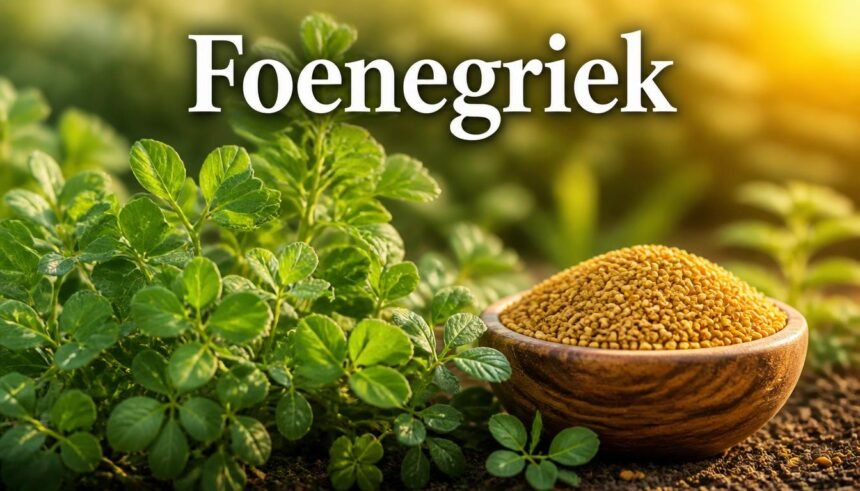
Foenegriek, better known in English as fenugreek, is one of the oldest cultivated herbs in the world. For thousands of years, people have valued its seeds and leaves for cooking, traditional wellness practices, and home gardening. Today, this remarkable plant continues to attract attention for combining nutritional value with practical uses in everyday life. Whether you are interested in healthy eating, natural herbs, or growing useful plants at home, foenegriek offers plenty to explore.
- What Is Foenegriek?
- The History of Foenegriek
- Nutritional Profile of Foenegriek
- Why Foenegriek Has Become Popular Again
- Science-Backed Health Benefits
- Culinary Uses Around the World
- Growing Foenegriek at Home
- Choosing the Right Location
- Preparing the Soil
- Planting Foenegriek Seeds
- Watering and Moisture Needs
- Fertilizing for Healthy Growth
- Common Growing Problems
- Harvesting Fresh Leaves
- Collecting Foenegriek Seeds
- Everyday Uses Beyond the Kitchen
- Potential Side Effects and Precautions
- Why Foenegriek Deserves a Place in Modern Living
Its popularity extends across many cultures, from the Mediterranean and the Middle East to South Asia and parts of Europe. The seeds are known for their warm, slightly bitter flavor, while the fresh leaves add a pleasant aroma to many dishes. Beyond the kitchen, researchers continue to study the nutrients and natural compounds found in foenegriek, making it a fascinating herb for both culinary and scientific interest.
What Is Foenegriek?
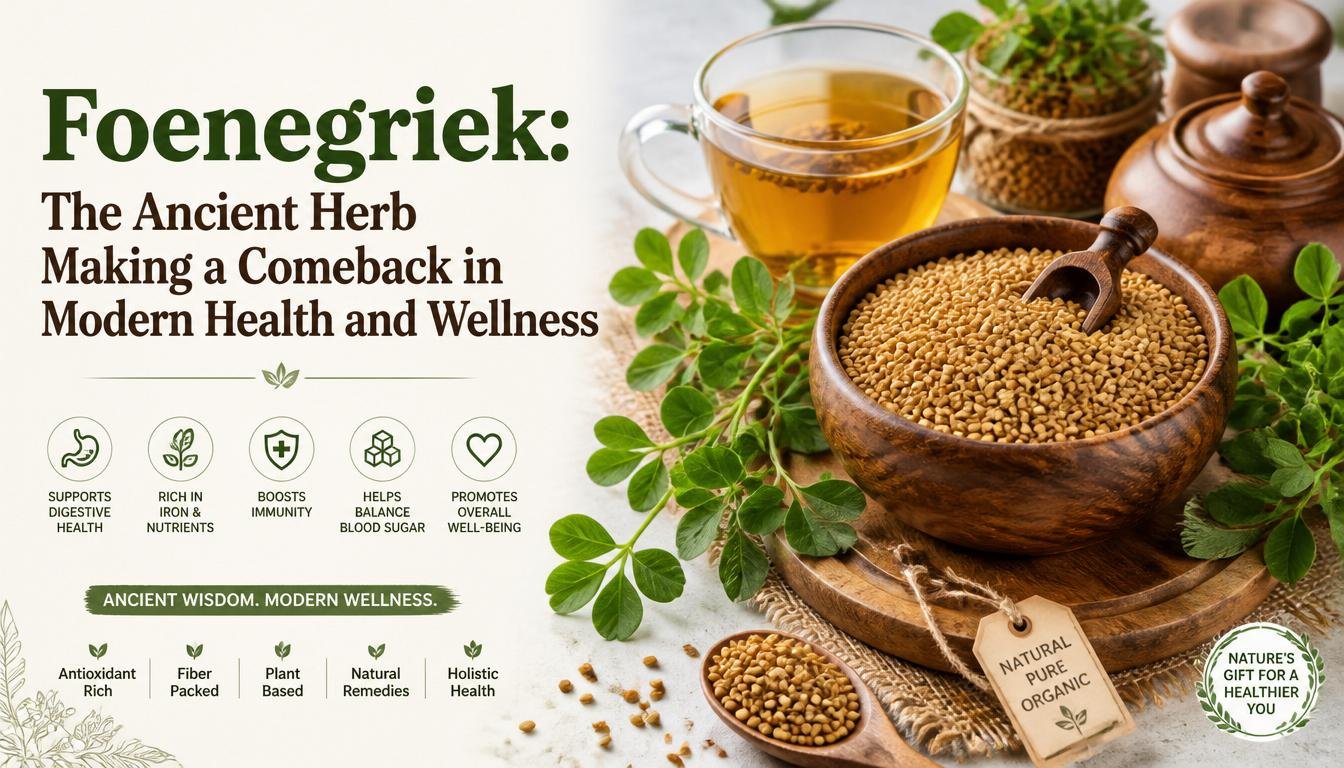
Foenegriek comes from the plant Trigonella foenum-graecum, an annual herb belonging to the legume family. It produces slender green stems, clover-like leaves, delicate white flowers, and narrow seed pods containing small golden-brown seeds. The plant grows relatively quickly and adapts well to different climates, making it a favorite among gardeners who enjoy growing herbs from seed.
The name “foenegriek” is commonly used in Dutch, while English speakers usually refer to it as fenugreek. Despite the different names, both describe the same herb with a long history of culinary and traditional use. Every part of the plant has a purpose, from the tender leaves used as vegetables to the aromatic seeds that flavor breads, curries, teas, and spice blends.
The History of Foenegriek
The story of foenegriek stretches back thousands of years. Historical records suggest that ancient Egyptians cultivated the plant and used it for food as well as various household purposes. Later, Greek and Roman civilizations recognized its agricultural value, especially as animal feed, which inspired part of its scientific name meaning “Greek hay.”
Over time, traders carried foenegriek across Asia, North Africa, and Europe. Farmers appreciated its ability to improve soil because, like many legumes, it naturally fixes nitrogen. As cultures exchanged spices and farming knowledge, the herb became part of regional cuisines and traditional practices, creating the worldwide popularity it enjoys today.
Nutritional Profile of Foenegriek
Foenegriek seeds contain an impressive collection of nutrients despite their small size. They provide dietary fiber, plant protein, iron, magnesium, manganese, phosphorus, and several B vitamins. The seeds also contain natural antioxidants and unique plant compounds that continue to be studied for their potential contribution to overall health.
Fresh foenegriek leaves offer a different nutritional profile. They are lower in calories while supplying vitamin A, vitamin C, vitamin K, calcium, and potassium. Together, the leaves and seeds make foenegriek a versatile ingredient that supports a balanced diet when enjoyed as part of varied, nutritious meals.
Why Foenegriek Has Become Popular Again
Interest in foenegriek has grown significantly in recent years because more people are looking for natural ingredients that serve multiple purposes. Home cooks appreciate its rich flavor, gardeners enjoy its easy cultivation, and nutrition-conscious consumers value its impressive nutrient content. This combination has helped the herb regain popularity in kitchens and gardens around the world.
Modern research has also encouraged curiosity about foenegriek. Scientists continue examining the plant’s natural compounds and their possible effects on digestion, metabolism, and overall wellness. While ongoing studies are expanding our understanding, many people simply enjoy foenegriek because it is flavorful, nutritious, and easy to include in everyday recipes.
Science-Backed Health Benefits
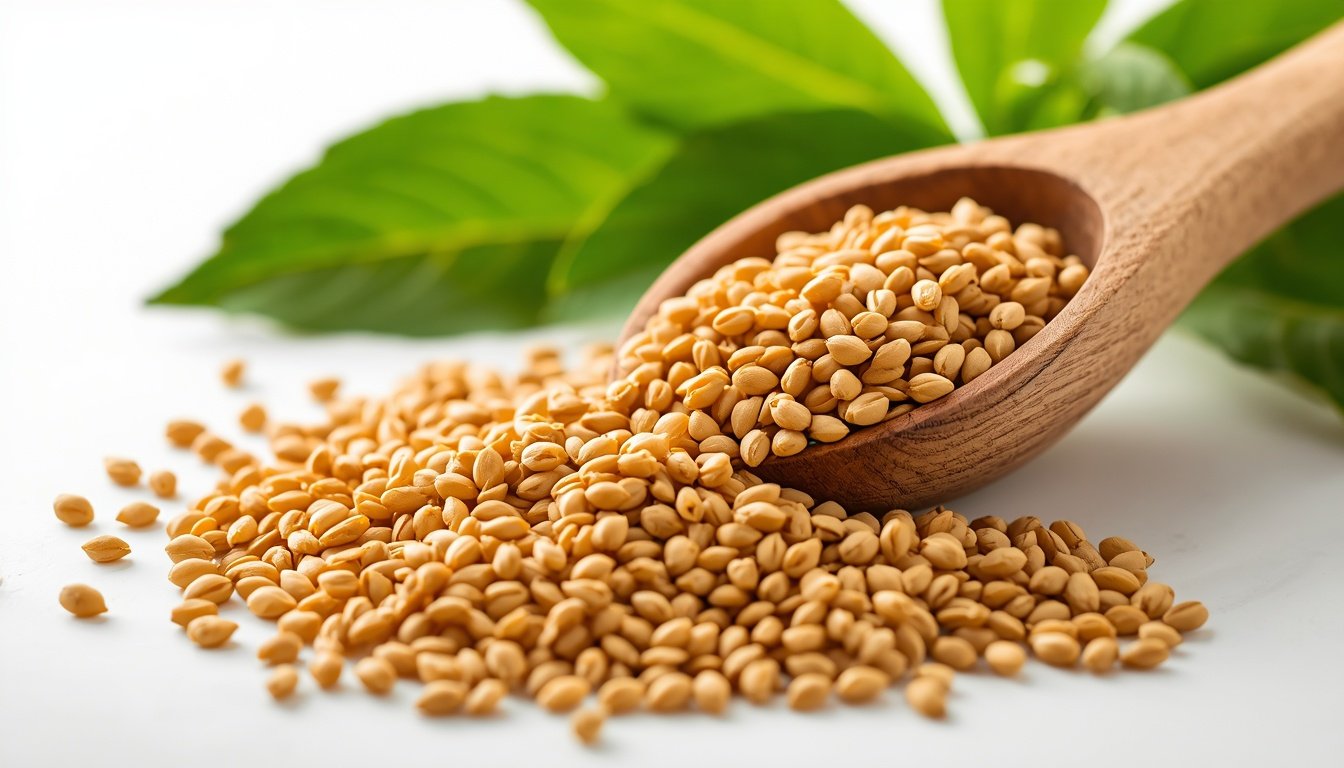
Foenegriek contains soluble fiber that may support healthy digestion by helping food move smoothly through the digestive system. Fiber also contributes to a feeling of fullness after meals, making it easier for some people to manage portion sizes. Combined with a balanced lifestyle, fiber-rich foods such as foenegriek can play a valuable role in maintaining digestive comfort.
Researchers have also explored how compounds naturally present in foenegriek may influence blood sugar regulation, cholesterol levels, and inflammation. Although findings are promising, results vary between studies, and the herb should not replace medical treatment. Instead, it can be viewed as one nutritious ingredient that complements an overall healthy eating pattern.
Culinary Uses Around the World
Few herbs are as versatile as foenegriek in the kitchen. The seeds are commonly toasted before being added to spice blends, soups, stews, curries, and pickled vegetables. Toasting softens their bitterness while creating a warm, nutty aroma that enhances many savory dishes without overwhelming other ingredients.
The fresh leaves are equally valuable and can be cooked like spinach or mixed into breads, rice dishes, vegetable recipes, and savory pastries. Dried leaves offer concentrated flavor and are often sprinkled into sauces or curries during the final stages of cooking. This flexibility explains why foenegriek appears in so many traditional recipes across different cultures.
Growing Foenegriek at Home
One of the greatest advantages of foenegriek is that it is easy to grow, even for beginners. Whether you have a spacious garden, a raised bed, or a few containers on a sunny balcony, this herb adapts well to different environments. Because it grows quickly and requires relatively little maintenance, many home gardeners choose it as one of the first herbs to cultivate. With the right conditions, fresh leaves can be harvested within just a few weeks after sowing.
Choosing the Right Location
Foenegriek grows best in a location that receives at least six hours of direct sunlight each day. While it can tolerate partial shade, abundant sunlight encourages stronger stems, healthier leaves, and better seed production. Select an area with good air circulation to reduce excess moisture around the foliage. A warm, bright environment allows the plant to develop naturally and reduces the likelihood of fungal problems during the growing season.
Preparing the Soil
Healthy soil plays an important role in producing vigorous foenegriek plants. A well-drained, loose soil enriched with organic matter provides the ideal growing medium. Compost improves both drainage and nutrient availability without making the soil excessively rich. Heavy clay soil should be loosened with compost or coarse sand to prevent water from collecting around the roots, which may slow growth or increase the risk of root diseases.
Planting Foenegriek Seeds
Foenegriek is usually grown directly from seed because the seedlings develop quickly and do not always transplant well. Sow the seeds about one centimeter deep, leaving enough space between rows to allow proper airflow as the plants mature. Water gently after planting to keep the soil evenly moist without becoming waterlogged. Under favorable temperatures, germination often occurs within one week, making it one of the fastest herbs to establish.
Watering and Moisture Needs
Although foenegriek appreciates consistent moisture, it performs best when the soil remains slightly damp rather than soaked. Water deeply whenever the top layer of soil begins to dry, especially during warm weather. Overwatering should be avoided because constantly wet soil may damage the roots. Once established, the plants tolerate short dry periods reasonably well, although regular watering encourages tender leaves and steady overall growth.
Fertilizing for Healthy Growth
Unlike many leafy vegetables, foenegriek does not require heavy fertilization throughout its life cycle. Since it belongs to the legume family, the plant naturally contributes nitrogen to the soil through beneficial bacteria associated with its roots. Adding compost before planting usually supplies sufficient nutrients for healthy development. If growth appears slow, a light application of balanced organic fertilizer can provide additional support without encouraging excessive leafy growth.
Common Growing Problems
Foenegriek is generally considered a resilient herb, but occasional challenges may appear under unfavorable conditions. Aphids sometimes gather on tender new growth, particularly during warm weather. Fortunately, they can often be removed by spraying the plants with water or using insecticidal soap when necessary. Good spacing between plants also improves airflow, reducing the chances of mildew or other fungal diseases developing on the leaves.
Harvesting Fresh Leaves
The leaves are ready for harvest when the plants reach approximately fifteen to twenty centimeters in height. Snipping the outer stems encourages fresh growth from the center, allowing several harvests throughout the season. Young leaves offer the mildest flavor and the most tender texture, making them suitable for salads, soups, and lightly cooked dishes. Frequent harvesting also helps maintain compact, productive plants instead of allowing them to become tall and woody.
Collecting Foenegriek Seeds
If seed production is the goal, allow the plants to flower naturally and develop slender pods. As the pods mature, they gradually change color and begin to dry on the plant. Harvest them before they split open to prevent seed loss. After drying completely indoors, remove the seeds and store them in airtight containers away from heat, moisture, and direct sunlight to preserve their flavor and quality for many months.
Everyday Uses Beyond the Kitchen
Although foenegriek is widely recognized as a culinary herb, its usefulness extends well beyond cooking. Many people prepare herbal teas using lightly crushed seeds, while others include ground seeds in homemade spice blends for seasoning vegetables and legumes. Fresh leaves can also be blended into savory spreads or mixed with yogurt-based dips, adding both flavor and nutritional value without requiring complicated preparation methods.
In home gardening, foenegriek also serves as a beneficial cover crop because its roots contribute nitrogen to the soil. Gardeners sometimes grow it between vegetable crops to improve soil fertility naturally before planting the next season’s produce. This practical benefit demonstrates that foenegriek is valued not only for its edible qualities but also for the positive role it can play in sustainable gardening practices.
Potential Side Effects and Precautions
For most healthy adults, consuming foenegriek in normal food amounts is considered safe. However, eating unusually large quantities may occasionally cause digestive discomfort such as bloating, loose stools, or mild stomach upset. People introducing the herb into their diet for the first time may prefer to begin with small portions and observe how their body responds before increasing intake.
Individuals who are pregnant, have existing medical conditions, or take prescription medications should consult a qualified healthcare professional before using concentrated foenegriek supplements. Although the herb has been used traditionally for centuries, supplements contain much higher amounts than ordinary foods. Professional medical advice helps ensure that any herbal product fits safely within an individual’s overall health plan.
Why Foenegriek Deserves a Place in Modern Living
Foenegriek remains relevant because it brings together history, nutrition, culinary versatility, and gardening benefits in one remarkable plant. Few herbs provide edible leaves, flavorful seeds, and soil-improving qualities while remaining easy enough for beginners to cultivate successfully. Whether grown in a backyard garden or purchased from a local market, it offers practical value that extends far beyond its traditional reputation.
As interest in wholesome ingredients continues to grow, foenegriek stands out as a herb that bridges ancient traditions with modern lifestyles. Its balanced nutritional profile, pleasant aroma, and adaptability make it a worthwhile addition to healthy meals and home gardens alike. With proper care and thoughtful use, foenegriek continues to prove why it has remained an important herb across generations and cultures.
Conclusion
Foenegriek has remained a valuable herb for centuries because it combines excellent nutrition, culinary versatility, and simple cultivation in one remarkable plant. Its leaves and seeds can enrich everyday meals while providing important nutrients such as fiber, protein, vitamins, and minerals. Whether you are interested in preparing flavorful recipes, exploring natural ingredients, or growing herbs at home, foenegriek offers practical benefits that suit a modern lifestyle.
Although research continues to explore its full health potential, the existing evidence and long history of use highlight its place as a nutritious addition to a balanced diet rather than a replacement for medical care. By using foenegriek thoughtfully in cooking and maintaining healthy lifestyle habits, you can enjoy its unique flavor, nutritional value, and gardening benefits. This ancient herb continues to prove that traditional plants can remain highly relevant in today’s kitchens and home gardens.