


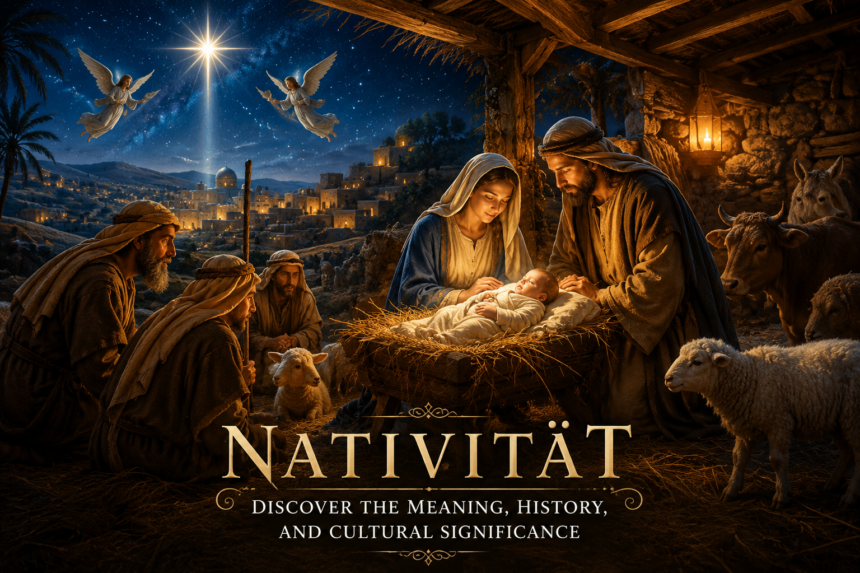
The word “Nativität” may sound unfamiliar to many people at first, but it carries a deep historical, religious, and cultural meaning that has existed for centuries. Derived from the Latin word nativitas, which means “birth,” the term has been used in different contexts throughout history. In modern discussions, Nativität is mostly connected with the birth of Jesus Christ, Christmas traditions, and even astrology in some cultures.
Over time, the meaning of Nativität has evolved across languages and societies. Some people connect it directly to Christian traditions, while others understand it as a symbolic representation of life, beginnings, and spirituality. The term also appears in literature, art, philosophy, and religious celebrations around the world.
In this article, we will explore the true meaning of Nativität, its origin, historical background, spiritual importance, and cultural influence. We will also look at how the concept continues to shape traditions and beliefs in modern society.
What Does Nativität Mean?
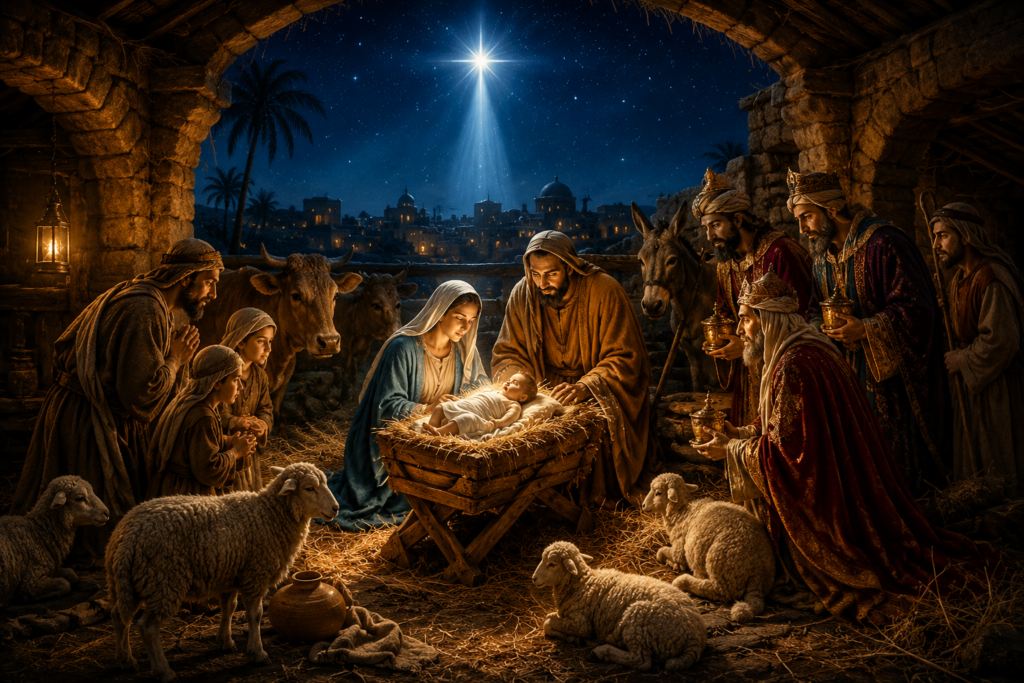
The term Nativität comes from the Latin word nativitas, which translates to “birth” or “coming into existence.” In German-speaking cultures, Nativität is often associated with the Nativity, which refers to the birth of Jesus Christ. This event is one of the most important moments in Christian belief and forms the foundation of Christmas celebrations around the world.
However, the meaning of Nativität goes beyond religion alone. In older traditions and historical writings, the word was also used to describe the exact circumstances surrounding a person’s birth. This is why the term appears in astrology, where it refers to a birth chart or horoscope that maps the position of stars and planets at the time of birth.
The concept of birth has always carried symbolic importance in human culture. Birth represents hope, new beginnings, life, and transformation. Because of this, Nativität became more than just a religious word. It turned into a broader cultural idea connected to creation, destiny, and identity.
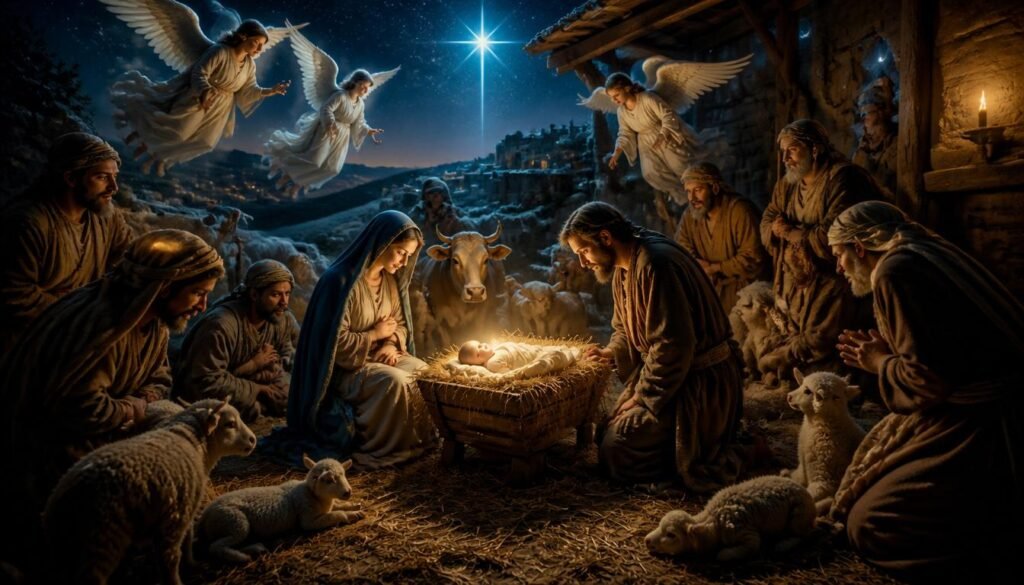
In modern times, many people encounter the term during Christmas, especially in relation to Nativity scenes. These scenes portray the birth of Jesus with figures such as Mary, Joseph, shepherds, angels, and the baby Jesus in a manger. Even people who are not deeply religious often recognize these images because they have become an important part of global holiday culture.
The Historical Origin of Nativität
Latin Roots and Early Usage
The origin of Nativität can be traced back to ancient Rome. The Latin word nativitas was commonly used to describe birth, origin, or generation. As Christianity spread through the Roman Empire, the term gained religious importance because it became associated with the birth of Jesus Christ.
During the Middle Ages, Latin was widely used in churches, education, and official writings across Europe. Religious scholars and priests frequently used the term in sermons and theological texts. Over time, local languages adapted the word into their own forms, including “Nativity” in English and “Nativität” in German.
The spread of Christianity helped the concept grow in importance. Churches celebrated the Nativity as a sacred event that symbolized hope, salvation, and divine love. Artists, writers, and musicians also began creating works inspired by the Nativity story, making it a central theme in European culture.
Development Through the Middle Ages
In medieval Europe, Nativität became deeply connected with Christmas traditions. Churches organized performances and plays that recreated the birth of Jesus. These early dramatizations allowed ordinary people to understand biblical stories more visually and emotionally.
Nativity scenes also became popular during this period. Historians often credit Saint Francis of Assisi with creating one of the earliest live Nativity displays in the 13th century. His goal was to help people imagine the humble conditions surrounding the birth of Christ.
As these traditions spread, Nativität became an artistic and cultural symbol rather than just a theological term. Paintings, sculptures, stained glass windows, and songs celebrating the Nativity appeared across Europe. Many of these works still survive today and are considered masterpieces of religious art.
Nativität in Christianity
The Birth of Jesus Christ
The strongest association with Nativität comes from Christianity. According to the Bible, Jesus Christ was born in Bethlehem to Mary and Joseph. Christians believe this event fulfilled ancient prophecies about the coming of a savior.
The story describes how Mary and Joseph traveled to Bethlehem, where they could not find proper lodging. Jesus was eventually born in a stable and placed in a manger. Shepherds and wise men later visited the newborn child after receiving divine signs announcing his birth.
For Christians, this story carries deep spiritual meaning. The humble circumstances of Jesus’ birth symbolize simplicity, peace, and compassion. The Nativity reminds believers that greatness can emerge from modest beginnings.
Over centuries, churches around the world developed unique ways of celebrating the Nativity. Midnight masses, Christmas hymns, candlelight services, and reenactments became common traditions that continue today.
Symbolism in Christian Faith
Nativität represents much more than a historical event. In Christian theology, it symbolizes hope, redemption, and the arrival of divine guidance for humanity. The birth of Jesus is viewed as the beginning of a spiritual transformation for the world.
Different symbols within the Nativity story also hold special meaning. The star of Bethlehem represents guidance and faith. The shepherds symbolize humility and ordinary people receiving divine blessings. The gifts brought by the wise men reflect honor and recognition of Jesus’ significance.
Because of this symbolism, the Nativity became one of the most celebrated themes in Christian art and literature. Many famous painters, including Renaissance artists, created works depicting the birth of Christ. These images helped spread the story across generations and cultures.
Nativität and Christmas Traditions
Nativity Scenes Around the World
One of the most recognizable traditions connected to Nativität is the Nativity scene. These displays appear in homes, churches, schools, and public spaces during the Christmas season.
A typical Nativity scene includes figures of Mary, Joseph, baby Jesus, angels, shepherds, and animals. Some also include the three wise men arriving with gifts. Although the basic elements remain similar, different countries add their own cultural styles and artistic details.
In Italy, handcrafted Nativity scenes are a major artistic tradition. In Germany and Austria, wooden Nativity figures are especially popular. Latin America, communities often organize large live performances recreating the birth of Christ.
These traditions show how Nativität has become both a religious and cultural celebration that connects people across generations.
Christmas Celebrations and Cultural Influence
The influence of Nativität can be seen in nearly every aspect of Christmas celebrations. Christmas carols often tell the story of Jesus’ birth, while holiday decorations feature stars, angels, and manger scenes inspired by the Nativity narrative.
Even modern Christmas traditions that focus on family gatherings, generosity, and kindness are indirectly connected to the values represented by the Nativity story. Themes such as peace, love, and compassion continue to shape the holiday season.
Over time, Christmas evolved into a global cultural event celebrated by both religious and non-religious communities. While some people focus mainly on traditions and festivities, the Nativity remains at the heart of the holiday’s historical meaning.
Nativität in Astrology
Birth Charts and Destiny
Another interesting aspect of Nativität appears in astrology. In this context, the word refers to a person’s birth chart or horoscope. Astrologers study the position of stars and planets at the exact moment of birth to interpret personality traits and future possibilities.
Historically, astrology played a major role in many societies. Kings, scholars, and rulers often consulted astrologers for guidance. The concept of Nativität in astrology was believed to reveal hidden truths about destiny and character.
Although modern science does not support astrology as a factual system, millions of people around the world continue to find personal meaning and entertainment in horoscopes and birth chart readings.
Cultural Impact of Astrological Nativität
Astrological interpretations of Nativität influenced literature, philosophy, and psychology for centuries. In some cultures, birth charts are still consulted during important life decisions such as marriage, career choices, and family planning.
The connection between birth and destiny reflects humanity’s long-standing curiosity about identity and purpose. Whether viewed as science, spirituality, or tradition, astrological Nativität remains an important cultural phenomenon.
Artistic and Literary Influence of Nativität
Nativität in Art
The Nativity has inspired countless works of art throughout history. During the Renaissance, artists such as Leonardo da Vinci, Michelangelo, and Sandro Botticelli created famous paintings depicting the birth of Christ.
These artworks often emphasized light, peace, and divine beauty. Artists used symbolism to express spiritual ideas and emotional depth. The stable, the guiding star, and the expressions of the figures all carried deeper meanings.
Nativity-themed art also evolved. Modern artists reinterpret the scene in contemporary styles while preserving the story’s emotional and spiritual essence.
Nativität in Literature and Music
Writers and poets have long explored themes related to Nativität. Religious texts, Christmas stories, and poems frequently focus on the miracle of birth and renewal.
Music also plays a major role in Nativity traditions. Christmas carols such as “Silent Night” and “O Holy Night” describe the peaceful atmosphere surrounding the birth of Jesus. These songs continue to be performed worldwide during the holiday season.
Through literature and music, Nativität became more than a religious concept. It transformed into a universal symbol of hope, humanity, and emotional connection.
Cultural Significance of Nativität Today
A Symbol of Unity and Hope
In today’s world, Nativität continues to carry strong emotional and cultural value. For many people, it represents family gatherings, generosity, and spiritual reflection during Christmas.
The story of humble beginnings and hope resonates across cultures. Even people who do not practice Christianity often appreciate the values associated with the Nativity, such as kindness, compassion, and peace.
Communities around the world use Nativity celebrations to bring people together. Public displays, concerts, charity events, and festivals create shared experiences that strengthen social bonds.
Modern Interpretations and Global Influence
As society changes, interpretations of Nativität also evolve. Some modern artists and writers explore the Nativity story from social, historical, or symbolic perspectives. Others focus on its universal themes rather than its strictly religious meaning.
Globalization has also spread Nativity traditions far beyond Europe. Today, Christmas celebrations inspired by the Nativity can be found in countries with very different cultures and backgrounds.
The continued popularity of Nativity scenes, Christmas music, and holiday storytelling shows that the concept remains deeply meaningful in modern life.
Why Nativität Still Matters
The lasting importance of Nativität comes from its connection to universal human experiences. Birth, hope, family, and new beginnings are themes that people everywhere can understand.
Religious believers see the Nativity as a sacred moment of divine love. Historians view it as a powerful cultural tradition that shaped civilization. Artists and writers see it as a timeless source of inspiration.
In a fast-changing world, traditions connected to Nativität provide a sense of continuity and emotional connection. They remind people of shared values and collective history.
Whether explored through religion, culture, art, or personal reflection, Nativität continues to influence how people celebrate, create, and understand the meaning of life.
Conclusion
Nativität is much more than a simple word. It represents centuries of history, spirituality, culture, and artistic expression. From its Latin origins to its deep connection with Christianity and Christmas traditions, the concept has shaped human thought and celebration in countless ways.
The Nativity story continues to inspire people because it speaks about hope, humility, and the possibility of renewal. At the same time, its influence extends beyond religion into art, literature, music, and cultural identity.
Even in the modern world, Nativität remains a meaningful symbol that connects generations and communities. Whether viewed as a sacred event, a cultural tradition, or a universal story of new beginnings, its importance endures across time and cultures.
FAQs
What does Nativität mean?
Nativität comes from the Latin word nativitas, meaning “birth.” It is mainly associated with the birth of Jesus Christ and Christmas traditions.
Is Nativität only a religious term?
No, the term is also used in astrology and cultural discussions. It can refer to birth, origins, and symbolic new beginnings.
Why is the Nativity important in Christianity?
The Nativity represents the birth of Jesus Christ, which Christians believe brought hope, salvation, and spiritual guidance to humanity.
What is a Nativity scene?
A Nativity scene is a display showing the birth of Jesus, usually including Mary, Joseph, baby Jesus, shepherds, angels, and animals.
How does Nativität influence modern culture?
Nativität influences Christmas traditions, art, music, literature, and cultural celebrations around the world.