


Scotland’s climate means that condensation is a problem throughout the country, and adequate ventilation is necessary to control it. Poor ventilation is particularly evident in the older style housing and Double Glazing Glasgow and results in bad odors and mold growth.
- The Basic Link Between Ventilation and the Problems People Notice
- How Do Casement Windows Differ in Terms of Airflow?
- The Role of Trickle Vents and Background Ventilation
- Balancing Ventilation with Heat Retention and Noise
- Everyday Habits That Help, Whatever Windows You Have
- When Old or Poorly Fitted Windows Become Part of the Problem?
- A Practical Part of a Healthy Home
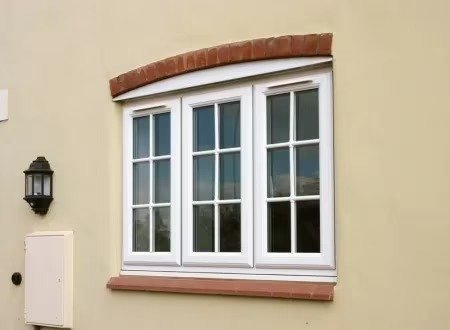
In Windows, the type used and the design play a major role in the total air exchange in a home. One of the main reasons for mould and condensation problems is that Casement Windows are the most common Window design in Glasgow’s housing.
A major unintended consequence of modern house design is a lack of air exchange. While earlier, less efficient homes had natural air exchange, modern homes are designed to be airtight.
The Basic Link Between Ventilation and the Problems People Notice
Most homeowners don’t think about airflow directly. They notice condensation fogging up the inside of the glass on a cold morning. The absence of adequate airflow often results in condensation on the inside of window glass. This is often the first sign to the homeowner that poor airflow is an issue. Musty odors and mould often appear on surfaces farthest from heat sources. Airflow often carries moisture away from these surfaces.
We produce moisture when we cook, take showers, dry clothes, and even when we breathe. Sealed-up rooms like bedrooms quickly become windows covered in condensation. Window condensation occurs when a cold surface meets warm, moist air. Moisture can not escape if windows are sealed shut.
How Do Casement Windows Differ in Terms of Airflow?
Not every window type handles airflow the same way. Casement windows are side-hinged, opening outward like a door, which creates a wider and more direct airflow path than some other configurations manage. Because the whole sash swings open, air can move through more freely rather than being restricted to a narrow gap.
Casement windows are not the only windows that allow for good airflow, but they are better than other window types because of the design of their hinges. Tilt windows restrict airflow even if they are fully opened, and also more than casement windows.
The Role of Trickle Vents and Background Ventilation
Trickle vents are the small slotted openings you’ll often see built into the top of a modern window frame, and they’re worth understanding even if you’ve never noticed them before. Rather than requiring you to open the window fully, they allow a small, steady trickle of air to pass through continuously, which helps stop moisture from building up without letting the room get cold.
Background ventilation matters more than people expect, especially overnight or in rooms that don’t get enough airing. It’s a low-effort way of keeping air moving without having to remember to open a window every few hours.
Balancing Ventilation with Heat Retention and Noise
More airflow generally means slightly more heat loss and slightly more outside noise, which is why some homeowners are tempted to seal a room as tightly as possible. The trouble is that doing so just shifts the problem from cold draughts to trapped moisture, which tends to be the worse outcome over time.
The better approach is usually a middle ground: windows and vents that let a controlled, modest amount of air in consistently, rather than either sealing everything shut or leaving windows wide open. That’s a genuine balancing act, and it’s fair to say no window design eliminates the compromise between airflow, warmth, and quiet.
Everyday Habits That Help, Whatever Windows You Have
A number of everyday habits can contribute to better ventilation regardless of the type or quality of windows used in a house.
Get into the habit of exhausting moisture from bathrooms and kitchens. The use of a hood or exhaust fan will significantly help in eliminating moisture from your home. If a fan is not available, open a window while cooking or showering and leave it open after use.
Moisture can collect along the top of windows and window frames. Do not obstruct airflow by placing objects on window sills.
A short period of airing out a room, 10 to 20 minutes, will remove moisture from a room. This is particularly helpful for rooms which do not have a lot of airflow.
Glasgow City Council’s own guidance on dealing with dampness in the home backs this up directly, recommending regular background heat and short bursts of ventilation as one of the most effective ways to keep condensation under control in the city’s housing stock.
When Old or Poorly Fitted Windows Become Part of the Problem?
Habits and vents can only do so much if the window itself isn’t up to the job anymore. Older or poorly fitted casement windows can actually work against you, since a warped frame, a failed seal, or a sash that no longer closes properly creates cold spots and unpredictable draughts rather than the controlled airflow you actually want.
If you’re noticing persistent condensation that doesn’t improve with better habits, mould that keeps returning despite regular cleaning, or a window that feels draughty in some spots and stuffy in others, it may be less about your routine and more about the window itself.
At that point, it’s worth having modern Casement windows Glasgow installation through a company like Trade uPVC Windows & Doors. Their employees can analyze the window and frame and let you know if the window should be opening and closing a certain way. They can also help you determine if the window has broken seals.
A Practical Part of a Healthy Home
It is important to have working windows because they allow fresh air into your home. However, fresh air can also bring dirt and pollen into your home. Windows should be closed during the coldest and hottest days of the year to conserve energy. Learning the inner workings of your window will help you figure out the best strategy to improve the energy efficiency of your home.