


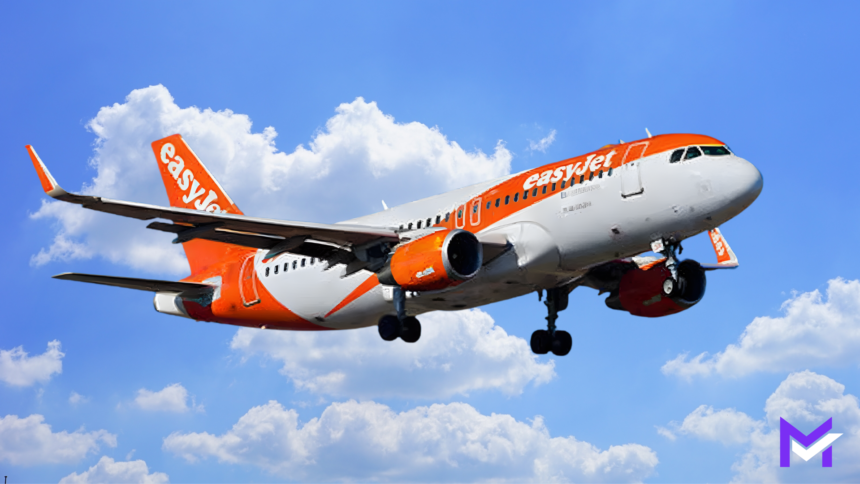
A routine short-haul flight can become a high-priority emergency within minutes when a passenger suffers a serious medical crisis at 35,000 feet. That is exactly what happened during the EasyJet Flight U2238 emergency landing in Newcastle, when an Airbus A320 traveling from Copenhagen to Manchester diverted after a passenger required urgent medical assistance.
- Key Facts About EasyJet Flight U2238
- What Happened on EasyJet Flight U2238?
- Flight Tracking Data and Emergency Declaration
- Why Newcastle Was Chosen
- Complete Timeline of the Incident
- Understanding Squawk 7700
- Emergency Services Response at Newcastle
- The Role of Aviation Safety Authorities
- Are Emergency Landings Usually Mechanical Failures?
- What This Incident Means for Passengers
Unlike many aviation incidents that spark concerns about technical failures or aircraft safety, this event was not caused by a mechanical issue. Instead, it demonstrated how airline crews, air traffic controllers, emergency responders, and healthcare professionals work together to protect lives when a medical emergency occurs in the air.
Key Facts About EasyJet Flight U2238
| Detail | Information |
| Flight Number | EasyJet U2238 (EZY2238) |
| Airline | EasyJet |
| Aircraft | Airbus A320 |
| Departure Airport | Copenhagen Airport (CPH) |
| Scheduled Destination | Manchester Airport (MAN) |
| Diversion Airport | Newcastle International Airport (NCL) |
| Date | October 27, 2025 |
| Emergency Type | Passenger Medical Emergency |
| Emergency Code | Squawk 7700 |
| Landing Time | Approximately 10:52 PM GMT |
What Happened on EasyJet Flight U2238?
According to available flight tracking information and aviation reports, Flight U2238 departed Copenhagen for Manchester on what was expected to be a routine evening journey.
However, while cruising over northern Europe, a passenger reportedly became seriously ill. Cabin crew immediately initiated emergency procedures, providing first aid and assessing the situation using onboard medical equipment.
As the passenger’s condition required urgent professional medical attention, the cockpit crew coordinated with air traffic control and decided that continuing to Manchester would unnecessarily delay treatment.
The safest and fastest option was to divert to Newcastle.
This decision aligns with standard international aviation procedures that prioritize passenger safety over schedule adherence.
 You might also like: fisila
Flight Tracking Data and Emergency Declaration
Public flight-tracking services recorded unusual activity shortly before the diversion.
Flight monitoring platforms such as FlightAware and FlightRadar24 showed the aircraft changing course toward Newcastle rather than continuing to Manchester.
Before landing, the crew reportedly activated Squawk 7700, the internationally recognized emergency transponder code.
This immediately alerted air traffic controllers that the aircraft required priority handling.
Did Delta Flight DL275 Divert to LAX
Why Newcastle Was Chosen
When an in-flight emergency occurs, pilots evaluate several factors before selecting a diversion airport:
- Distance to the airport
- Runway length and availability
- Weather conditions
- Emergency service readiness
- Access to advanced medical facilities
Newcastle International Airport satisfied all these requirements.
The airport’s emergency infrastructure and close proximity to major healthcare facilities made it the most practical option for obtaining rapid medical assistance.
Rather than continuing to Manchester, the crew chose the nearest suitable airport capable of providing immediate support.
This decision follows established safety guidance used throughout the aviation industry.

Complete Timeline of the Incident
| Time | Event |
| Evening Departure | Flight U2238 leaves Copenhagen |
| Mid-Flight | The passenger becomes seriously unwell |
| Shortly After | Cabin crew begin emergency medical assistance |
| Diversion Decision | Pilots coordinate with air traffic control |
| Before Landing | Squawk 7700 emergency code activated |
| 10:52 PM GMT | Aircraft lands safely at Newcastle |
| Minutes Later | Paramedics board aircraft |
| Following Medical Transfer | Passenger taken to hospital |
| Approximately One Hour Later | Flight continues to Manchester |
The entire response unfolded quickly, demonstrating the efficiency of modern aviation emergency procedures.
Understanding Squawk 7700
One of the most discussed aspects of the incident was the declaration of Squawk 7700.
This emergency transponder code is used worldwide when an aircraft encounters a situation requiring immediate attention.
When activated, it allows air traffic controllers to:
- Prioritize the aircraft over surrounding traffic
- Provide direct routing to the nearest suitable airport
- Coordinate emergency services before arrival
- Reduce delays during the approach and landing process
The use of Squawk 7700 does not necessarily indicate a mechanical failure. Medical emergencies frequently result in its activation because rapid response is essential.
You might also like: nerwey
Emergency Services Response at Newcastle
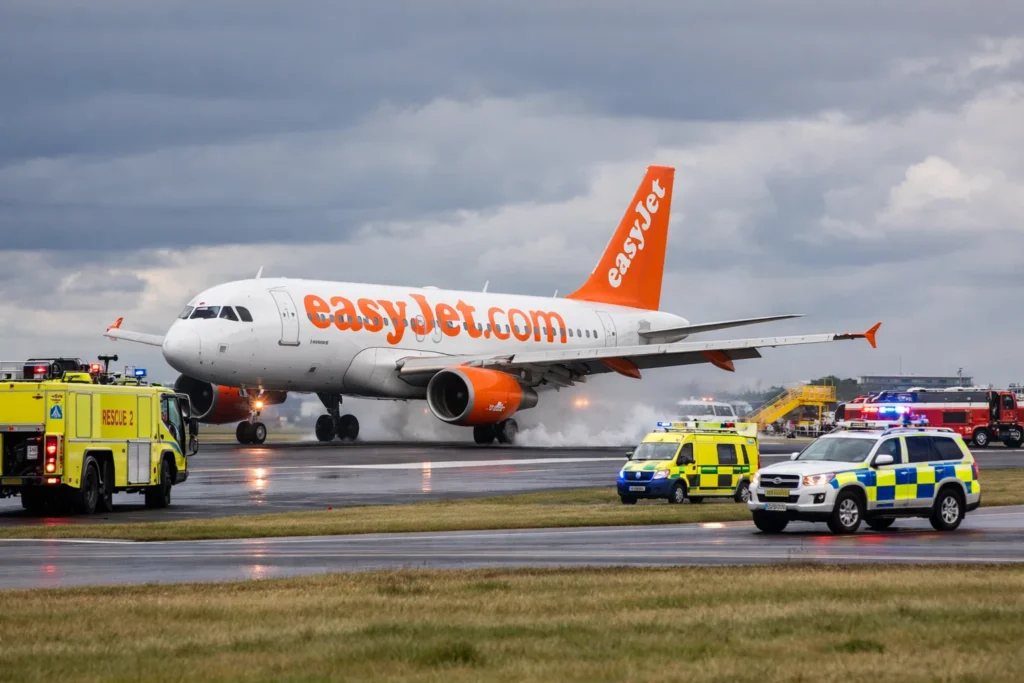
Emergency personnel were reportedly notified before the aircraft touched down.
As soon as Flight U2238 arrived at Newcastle, paramedics boarded the aircraft and assessed the affected passenger.
The individual was then transported to the Royal Victoria Infirmary, one of the region’s major emergency medical centers.
Because information regarding the passenger’s identity and condition was not publicly released, no further medical details were disclosed.
The swift coordination between airline staff, airport responders, and healthcare professionals ensured the passenger received professional treatment as quickly as possible.
The Role of Aviation Safety Authorities
Events such as the EasyJet Flight U2238 emergency landing highlight the importance of regulatory oversight and emergency preparedness.
Organizations such as the UK’s Civil Aviation Authority (CAA) establish safety standards that airlines must follow when responding to in-flight emergencies.
These regulations cover:
- Crew emergency training
- Medical equipment requirements
- Communication procedures
- Diversion protocols
- Passenger safety measures
Because of these established procedures, crews can respond effectively even under significant pressure.
American Forces Travel Explained Discounts Deals and Opportunities
Are Emergency Landings Usually Mechanical Failures?
Many travelers assume emergency landings automatically indicate a dangerous aircraft malfunction.
In reality, medical emergencies account for a substantial portion of unscheduled diversions worldwide.
Common causes include:
- Cardiac incidents
- Breathing difficulties
- Severe allergic reactions
- Loss of consciousness
- Neurological emergencies
The EasyJet U2238 diversion appears to fit this category rather than involving any technical problem with the aircraft itself.
What This Incident Means for Passengers
The successful outcome of Flight U2238 demonstrates how multiple layers of aviation safety function together during a crisis.
Several key lessons emerge from this event:
Medical Emergencies Can Happen on Any Flight
Even short European routes can encounter situations requiring immediate medical intervention.
Diversions Are Safety Decisions
Changing destination airports is often the quickest way to obtain professional medical care.
Airline Crews Are Extensively Trained
Cabin and cockpit crews regularly practice emergency response procedures designed for scenarios exactly like this one.
Aviation Systems Work as Intended
From emergency transponder codes to airport response teams, the systems in place performed efficiently throughout the incident.
Final Thoughts
The EasyJet Flight U2238 emergency landing in Newcastle serves as a reminder that aviation emergencies are not always related to aircraft performance. In this case, a passenger’s medical condition prompted a rapid diversion that prioritized health and safety above schedule considerations.
Through effective coordination between EasyJet personnel, air traffic controllers, emergency responders, and medical professionals, the aircraft landed safely, the passenger received urgent care, and the flight was eventually able to continue its journey.
The incident stands as a textbook example of modern aviation safety procedures functioning exactly as designed.