


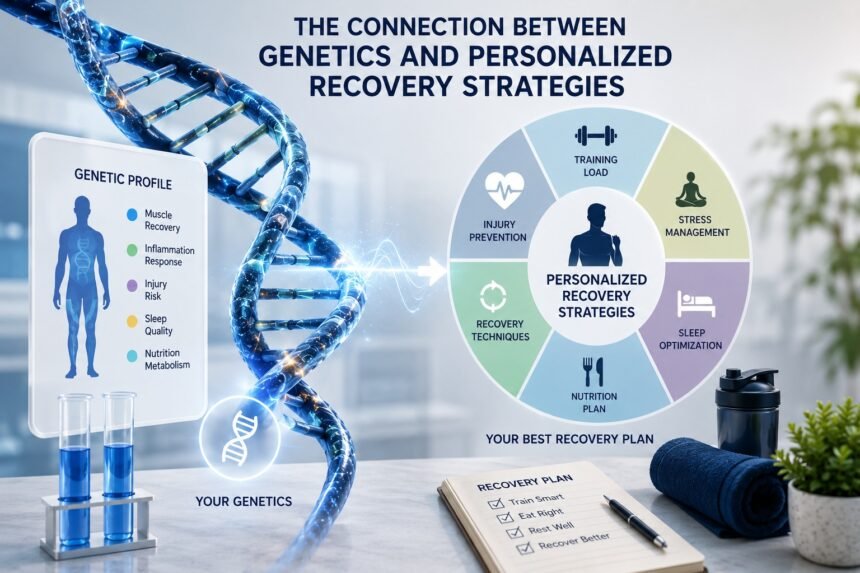
Recovery is no longer viewed as a one-size-fits-all process. Whether someone is healing after exercise, recovering from illness, or working to improve overall wellness, researchers now recognize that genetics can influence how the body responds. Every person has a unique genetic profile that affects inflammation, muscle repair, nutrient metabolism, hormone regulation, and cellular recovery.
- Why Recovery Differs From Person to Person
- The Role of DNA in Cellular Repair
- Inflammation: A Necessary but Delicate Balance
- Muscle Recovery and Genetic Differences
- Nutrition and Recovery Work Together
- How Peptides Fit Into Personalized Recovery
- Understanding Genetic Peptide Compatibility
- Sleep Genetics and Recovery Quality
- Stress Response and Healing
- Precision Recovery Through Genetic Insights
- Lifestyle Still Matters Most
- The Future of Personalized Recovery
- Conclusion
- Frequently Asked Questions
As personalized medicine continues to evolve, more people are exploring genetic insights to make informed wellness decisions. Combined with healthy habits and professional guidance, genetic information may help create recovery strategies that better align with an individual’s biological makeup.
This article explores how genetics influences recovery and why personalized approaches are becoming increasingly important.
Why Recovery Differs From Person to Person
Two individuals can follow the same workout routine, eat similar meals, and sleep the same number of hours, yet recover at completely different speeds. While lifestyle choices certainly matter, genetics also contributes to these differences.
Genes influence several biological processes involved in recovery, including:
- Muscle protein synthesis
- Inflammatory responses
- Collagen production
- Energy metabolism
- Hormonal balance
- Antioxidant activity
- Tissue repair
Understanding these inherited traits allows researchers to better explain why recovery timelines vary among individuals.
The Role of DNA in Cellular Repair
Every cell in the body relies on DNA to produce proteins responsible for maintaining tissues and repairing damage. After physical stress or injury, genes become active and direct the production of molecules involved in healing.
These genetic instructions help regulate:
- Muscle regeneration
- Skin repair
- Bone remodeling
- Connective tissue recovery
- Immune system activity
Small variations in DNA, often called genetic variants, may affect how efficiently these repair systems operate.
Inflammation: A Necessary but Delicate Balance
Inflammation is one of the body’s natural responses to physical stress. It helps remove damaged tissue while initiating repair. However, excessive or prolonged inflammation can slow recovery.
Certain genetic variations may influence inflammatory pathways, making some individuals more prone to longer recovery periods after exercise or injury.
Understanding these tendencies may encourage more personalized recovery plans that emphasize nutrition, sleep, stress management, and appropriate training intensity.
Muscle Recovery and Genetic Differences
Muscle fibers respond differently depending on genetic factors.
Some people naturally recover faster after resistance training because their bodies efficiently repair microscopic muscle damage. Others may require longer recovery periods before returning to high-intensity exercise.
Genes associated with muscle growth may influence:
- Protein turnover
- Muscle fiber composition
- Recovery speed
- Exercise adaptation
- Strength development
These differences help explain why training programs should often be individualized instead of copied from someone else.
Nutrition and Recovery Work Together
Nutrition remains one of the strongest influences on recovery, but genetics may affect how efficiently nutrients are used.
Examples include:
- Vitamin absorption
- Amino acid metabolism
- Fat utilization
- Carbohydrate processing
- Antioxidant requirements
Rather than assuming identical nutritional needs for everyone, researchers increasingly support individualized dietary planning based on biological differences.
How Peptides Fit Into Personalized Recovery
Peptides are short chains of amino acids involved in numerous biological signaling processes. Scientists continue studying how various peptides interact with tissues involved in recovery and regeneration.
Educational resources such as personalized-peptides.com provide information about current peptide research, ongoing scientific developments, and the growing interest in individualized approaches to recovery.
As research expands, peptide science continues to generate discussion within precision wellness and regenerative medicine.
Understanding Genetic Peptide Compatibility
One emerging research area focuses on genetic peptide compatibility, which explores how genetic differences may influence biological responses to peptide-based interventions.
Rather than assuming identical responses among all individuals, researchers are investigating whether inherited variations affect:
- Cellular signaling
- Receptor activity
- Tissue responsiveness
- Recovery efficiency
- Metabolic processing
Although this field continues to evolve, the concept supports the broader goal of making personalized wellness strategies more precise through scientific evidence.
Sleep Genetics and Recovery Quality
Quality sleep remains one of the strongest recovery tools available.
Genes may influence:
- Sleep duration
- Circadian rhythm
- Melatonin production
- Deep sleep patterns
- Overall recovery efficiency
Individuals who naturally require more sleep or experience disrupted sleep cycles may recover differently than others.
Improving sleep hygiene can often enhance recovery regardless of genetic background.
Stress Response and Healing
Stress hormones play a significant role in recovery. Elevated cortisol over extended periods may interfere with muscle repair, immune function, and overall wellness.
Genetic differences can influence how individuals respond to physical and emotional stress.
Combining stress-management techniques with healthy lifestyle habits may support better long-term recovery outcomes.
Precision Recovery Through Genetic Insights
Personalized recovery strategies combine multiple sources of information instead of relying on genetics alone.
These may include:
- Medical history
- Exercise habits
- Nutritional intake
- Sleep quality
- Laboratory testing
- Family history
- Genetic information
The goal is to create balanced recovery plans that reflect an individual’s unique biology rather than generalized recommendations.
Lifestyle Still Matters Most
While genetics provides valuable information, lifestyle choices remain essential.
Healthy recovery habits include:
- Consistent sleep
- Balanced nutrition
- Proper hydration
- Regular movement
- Appropriate training volume
- Stress reduction
- Adequate recovery days
Genes may establish certain tendencies, but daily habits often have an even greater influence on long-term wellness.
The Future of Personalized Recovery
Rapid advances in genetic science continue expanding our understanding of individualized recovery.
Researchers are studying:
- Precision nutrition
- Biomarker-guided recovery
- AI-assisted health planning
- Personalized exercise programming
- Regenerative medicine
- Peptide research
- Epigenetic influences
As evidence grows, future recovery strategies may become increasingly tailored to each person’s biological profile while maintaining strong clinical oversight.
Conclusion
Recovery is a complex biological process influenced by genetics, nutrition, sleep, stress, and overall lifestyle. Although genetic information cannot predict every outcome, it offers valuable insight into why individuals recover differently and how personalized strategies may improve long-term wellness.
As precision medicine continues advancing, combining healthy habits with scientifically informed genetic insights may help individuals make more personalized decisions about recovery. Continued research into peptide science, cellular repair, and individualized biological responses is shaping a future where recovery plans become increasingly customized rather than universally applied.
Frequently Asked Questions
Can genetics affect recovery after exercise?
Yes. Genetics may influence inflammation, muscle repair, metabolism, and recovery speed, although lifestyle remains a major factor.
Are personalized recovery strategies replacing traditional wellness advice?
No. Personalized approaches are designed to complement established recommendations like proper nutrition, sleep, hydration, and exercise.
What are peptides in recovery research?
Peptides are short chains of amino acids that researchers study for their potential roles in cellular communication and tissue-related biological processes.
Why is genetic peptide compatibility being studied?
Researchers are investigating genetic peptide compatibility to better understand how inherited genetic differences may influence biological responses to peptide-related research and personalized wellness approaches.
Can genetic testing create a perfect recovery plan?
No. Genetic information is only one piece of the puzzle. Effective recovery also depends on lifestyle, medical history, environmental factors, and professional healthcare guidance.