


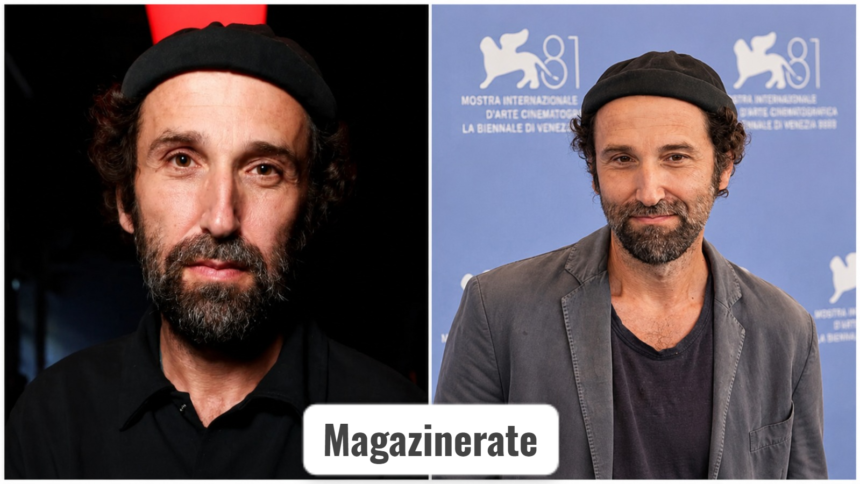
Thomas Bangalter is one of those rare names in music that instantly connects with innovation, mystery, and influence. Even if someone doesn’t know much about electronic music, they’ve likely heard his work without realizing it. He became globally known as one half of Daft Punk, the legendary duo that changed the sound of modern dance and electronic music forever.
- Early Life of Thomas Bangalter
- The Beginning of His Musical Journey
- Daft Punk: The Project That Changed Everything
- Rise of Stardust and Other Projects
- Film Scores and Cinematic Work
- Transition After Daft Punk
- Recent Projects and Artistic Evolution
- Table: Key Highlights of Thomas Bangalter’s Career
- Influence on Modern Music
- Personal Life and Personality
- Legacy of Thomas Bangalter
But his story is much deeper than just robots and hit songs. From early piano lessons in Paris to composing film scores and ballet music, Thomas Bangalter has built a career that keeps evolving. His journey is a mix of creativity, discipline, and constant reinvention, making him one of the most important figures in contemporary music culture.
Early Life of Thomas Bangalter
Thomas Bangalter was born on 3 January 1975 in Paris, France, into a highly musical family. His father, Daniel Vangarde, was already a well-known songwriter and producer, so music was always present in his environment. Even though his family was involved in the industry, Thomas didn’t immediately plan to follow the same path.
As a child, he started learning piano at the age of six. His early training was strict and disciplined, which later shaped his strong work ethic. He once mentioned that those early years of practice helped him build patience and focus, something that would later define his production style.
Growing up in Paris during the 1980s also exposed him to a wide range of music genres. From rock and disco to early electronic experiments, Thomas started developing a deep interest in sound and rhythm. This curiosity eventually led him toward electronic music, even though his foundation was classical.
The Beginning of His Musical Journey
Before Daft Punk became a global name, Thomas Bangalter met Guy-Manuel de Homem-Christo while studying at Lycée Carnot in Paris. The two quickly bonded over their shared love of music and film. They later formed a band called Darlin’, which played indie rock music.
However, Darlin’ didn’t last long. A negative review described their music as “a daft punky thrash,” which ironically became the inspiration for their future name, Daft Punk. Instead of being discouraged, Thomas and his partner took the criticism and turned it into something iconic.
Around this time, Thomas started experimenting more with electronic sounds and home studio production. He was fascinated by how technology could shape music in new ways. This shift marked the real beginning of his journey into electronic music.
Daft Punk: The Project That Changed Everything
Daft Punk officially formed in the early 1990s and quickly became one of the most influential electronic music acts in history. Thomas Bangalter played a major role in shaping the duo’s sound, identity, and direction. Their approach was simple but powerful: combine electronic beats with emotional and futuristic storytelling.
Their debut album Homework released in 1997, became a massive success. Tracks like “Da Funk” and “Around the World” introduced a new style of house music that was both underground and mainstream at the same time. The album was largely created using home equipment, proving that big ideas don’t always need big studios.
Later albums like Discovery and Human After All expanded their sound even further. Thomas Bangalter was deeply involved in production, songwriting, and creative direction. Daft Punk wasn’t just about music—it was about visuals, mystery, and a futuristic identity that made them stand out in the global music scene.
Rise of Stardust and Other Projects
While Daft Punk was gaining international fame, Thomas Bangalter was also working on side projects. One of the most famous was Stardust, a collaboration with Alan Braxe and Benjamin Diamond. Their track “Music Sounds Better With You” became an instant club classic.
The success of this track showed Thomas’s ability to create music that was both experimental and commercially successful. It also highlighted his strong connection to house music roots, especially French house, which was growing globally during that time.
He also worked on several other collaborations, DJ collectives, and remixes. Each project added another layer to his musical identity, proving that he was not limited to just one style or format.
Film Scores and Cinematic Work
Thomas Bangalter didn’t limit himself to electronic music alone. Over time, he started exploring film composition and soundtrack production. One of his earliest major works was the soundtrack for the film Irréversible in 2002.
This project showed a very different side of his creativity. Instead of dance beats, he focused on dark, emotional, and atmospheric sound design. It proved that he could adapt his skills to storytelling through film.
Later, he also contributed to other films like Enter the Void and Climax, working with director Gaspar Noé. His music added emotional depth and intensity to these films, making them more immersive and powerful.
Transition After Daft Punk
When Daft Punk officially announced their breakup in 2021, it marked the end of an era in electronic music. However, for Thomas Bangalter, it was not the end of creativity—it was the beginning of a new phase.
He moved away from his robotic image and started focusing on more classical and orchestral work. One of his major projects was the ballet Mythologies, which premiered in 2022. This marked a major shift from electronic beats to orchestral composition.
This change surprised many fans, but it also showed his willingness to evolve. Instead of repeating past success, Thomas chose to explore new artistic directions, even if they were outside his comfort zone.
Recent Projects and Artistic Evolution
In recent years, Thomas Bangalter has expanded into ballet scores, fashion collaborations, and experimental art installations. His work on Chiroptera and other live performances shows his growing interest in combining music with visual arts.
He has also worked with younger artists and modern musicians, showing that he is still connected to today’s music culture. Collaborations with artists like Lil Nas X demonstrate his ability to adapt to modern sound trends while keeping his identity intact.
What makes his recent work interesting is the balance between classical composition and electronic influence. Even though he stepped away from Daft Punk’s robotic identity, the influence of electronic music is still present in his sound design.
Table: Key Highlights of Thomas Bangalter’s Career
| Year | Project | Type | Importance |
| 1997 | Homework (Daft Punk) | Album | Defined French house music globally |
| 2001 | Discovery (Daft Punk) | Album | Blended electronic music with storytelling |
| 2002 | Irréversible | Film Score | First major cinematic composition |
| 2003 | Music Sounds Better With You (Stardust) | Single | Global house music anthem |
| 2013 | Random Access Memories | Album | Grammy-winning electronic masterpiece |
| 2022 | Mythologies | Ballet Score | Shift to orchestral composition |
| 2024 | Chiroptera | Art Performance | Experimental music and live performance |
Influence on Modern Music
Thomas Bangalter’s influence on modern music is massive, even if it is not always visible on the surface. Many DJs, producers, and electronic artists today still follow the structure and sound design techniques that he helped popularize.
Daft Punk’s approach to blending human emotion with electronic sound became a blueprint for future generations. Artists in EDM, house, techno, and even pop music have been inspired by his work.
Beyond music production, his focus on storytelling, visual identity, and artistic mystery also changed how artists present themselves. The idea that music can be more than just sound—it can be an experience—is something he helped define.
Personal Life and Personality
Thomas Bangalter is known for keeping his personal life private. He is married to French actress Élodie Bouchez, and they have children together. Despite global fame, he has always preferred staying away from media attention.
One of the most interesting things about him is his decision to avoid constant public appearances. Even during Daft Punk’s peak popularity, he rarely gave interviews or showed his face publicly. This mystery became part of the duo’s identity.
In recent years, he has stepped out of the robotic persona and appeared more openly in interviews and public discussions about his work. However, he still maintains a low-profile lifestyle compared to many global artists.
Legacy of Thomas Bangalter
The legacy of Thomas Bangalter is not just about Daft Punk. It is about how one artist can reshape an entire genre. His work has influenced electronic music, pop culture, film scoring, and even fashion.
He represents creativity without limits. From underground clubs in Paris to global stadium performances, and now orchestral stages, his journey shows constant evolution.
Even after decades in the industry, Thomas Bangalter continues to explore new ideas. His legacy is still being written, and that makes his story even more powerful.
FAQs
Who is Thomas Bangalter?
Thomas Bangalter is a French musician, producer, and composer best known as one-half of Daft Punk.
What is Thomas Bangalter famous for?
He is famous for creating groundbreaking electronic music with Daft Punk and producing hit tracks in house and dance music.
Is Thomas Bangalter still making music?
Yes, he continues to work on solo projects, film scores, ballet music, and artistic collaborations.
What did Thomas Bangalter do after Daft Punk?
After Daft Punk ended, he focused on orchestral music, ballet compositions, and experimental art projects.
What is Thomas Bangalter’s biggest contribution to music?
His biggest contribution is helping shape modern electronic music and French house, influencing countless artists worldwide.