


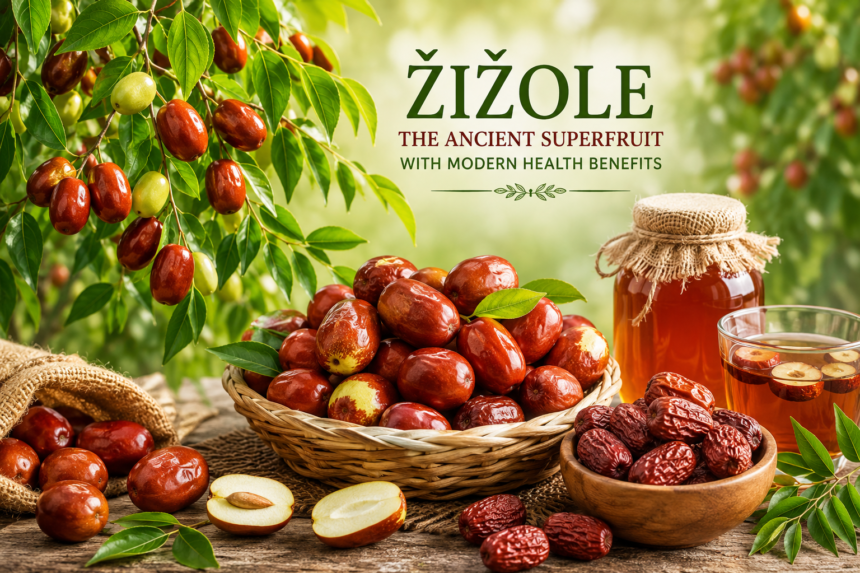
In a world where new superfoods seem to appear every year, some of the most impressive nutritional treasures have actually been around for thousands of years. One such hidden gem is Žižole, a fruit that has been valued across cultures for centuries. While it may not be as famous as blueberries, acai berries, or goji berries, Žižole offers a remarkable combination of taste, nutrition, and historical significance.
- The Fascinating History of Žižole
- Understanding the Žižole Tree
- Nutritional Value of Žižole
- Health Benefits of Žižole
- Supporting Immune Health
- Promoting Better Sleep
- Improving Digestive Function
- Helping Combat Oxidative Stress
- Culinary Uses of Žižole
- Growing and Cultivating Žižole
- Cultural Importance of Žižole
- The Future of Žižole in Modern Agriculture
Known in many regions as the jujube fruit, Žižole has long been appreciated for its natural sweetness, medicinal properties, and ability to thrive in challenging environments. Ancient civilizations relied on this fruit not only for nourishment but also for traditional healing practices passed down through generations.
Today, growing interest in natural wellness and nutrient-rich foods has brought renewed attention to Žižole. As more people search for healthier snack options and functional foods, this ancient fruit is once again finding its place in modern diets.
This guide explores everything you need to know about Žižole, including its history, nutritional value, health benefits, culinary uses, cultural importance, and future potential in sustainable agriculture.
The Fascinating History of Žižole
 You might also like: Prosecchini
Ancient Origins in Asia
The story of Žižole begins more than 4,000 years ago in ancient China, where the fruit was cultivated long before many other fruit crops became widespread. Historical records suggest that Chinese farmers recognized the value of the jujube tree due to its resilience, productivity, and nutritional benefits.
The fruit quickly became an important part of daily life. Ancient communities consumed it fresh, dried it for long-term storage, and incorporated it into traditional herbal remedies. Because the tree could survive harsh conditions and produce reliable harvests, it became a dependable food source for generations.
As civilizations expanded and trade routes developed, the popularity of Žižole spread beyond its original growing regions.
Journey Across Continents
The Silk Road played a significant role in introducing Žižole to Central Asia, the Middle East, and eventually Europe. Traders carried seeds and cultivation knowledge across vast distances, helping the fruit establish itself in diverse climates and cultures.
Over time, Mediterranean communities embraced Žižole and integrated it into local agricultural traditions. In countries along the Adriatic coast, the fruit became especially popular and earned the name by which many people still know it today.
Its ability to adapt to different environments allowed Žižole to remain relevant throughout history, even as countless other crops disappeared from cultivation.
Understanding the Žižole Tree
A Remarkably Resilient Plant
Žižole grows on the jujube tree, a hardy species belonging to the buckthorn family. One of the tree’s most impressive characteristics is its ability to tolerate drought and poor soil conditions.
Unlike many fruit trees that require extensive care and irrigation, the jujube tree can thrive in environments where other crops struggle. This resilience has helped ensure its survival for thousands of years.
The tree generally reaches a moderate height and develops a broad canopy filled with glossy green leaves. Beyond fruit production, it is often appreciated for its ornamental beauty in gardens and landscapes.
How the Fruit Develops
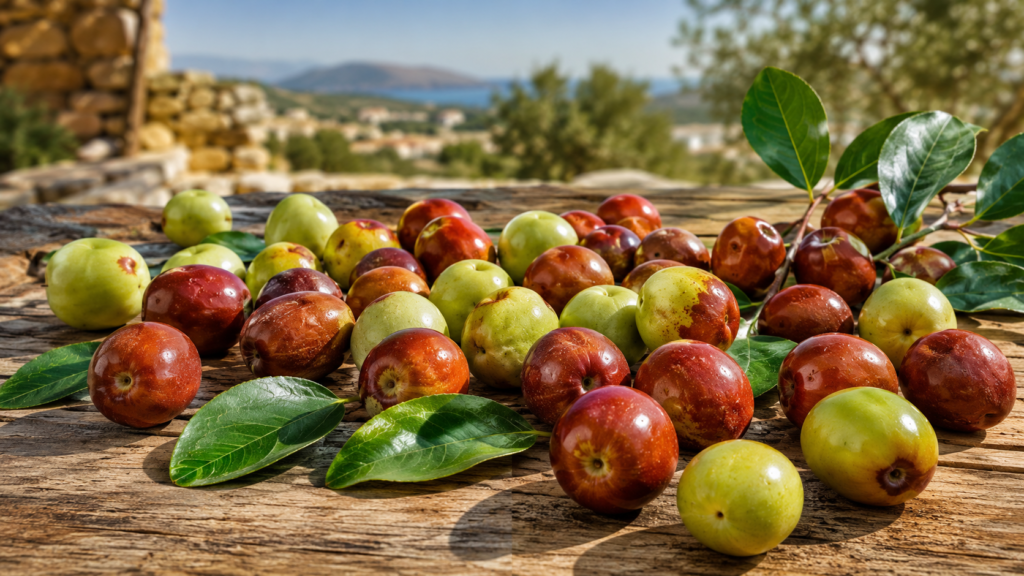
The fruit undergoes a fascinating transformation as it ripens. Initially, Žižole appears green and firm, resembling a small apple in both texture and taste.
As maturity progresses, the fruit changes color from green to yellowish and eventually to a rich reddish-brown shade. At this stage, it becomes softer and significantly sweeter, developing a flavor profile similar to dates.
This unique progression means that people can enjoy Žižole at various stages of ripeness, depending on their personal preferences.
You might also like: Best Pasticho Venezuelan Lasagna Near Me
Nutritional Value of Žižole
Rich in Essential Vitamins
One reason Žižole is increasingly recognized as a superfruit is its impressive nutritional profile. The fruit contains several important vitamins that support overall wellness.
Vitamin C is particularly abundant in many varieties of Žižole. This nutrient plays a vital role in immune function, collagen production, wound healing, and antioxidant protection. In fact, some jujube varieties contain vitamin C levels that rival or exceed those found in many common fruits.
Regular consumption can help support healthy skin, strengthen immune defenses, and contribute to overall vitality.
A Valuable Source of Fiber
Žižole is also an excellent source of dietary fiber. Fiber plays an essential role in maintaining digestive health and promoting regular bowel movements.
A diet rich in fiber can help individuals feel fuller for longer periods, potentially supporting healthy weight management. Additionally, fiber helps maintain stable blood sugar levels and promotes the growth of beneficial gut bacteria.
Because many modern diets lack sufficient fiber, adding Žižole can be a simple way to improve nutritional balance.
Powerful Antioxidant Compounds
The fruit contains numerous antioxidants and plant-based compounds that help combat oxidative stress. Oxidative stress occurs when unstable molecules known as free radicals damage cells over time.
Antioxidants work by neutralizing these harmful molecules, helping protect the body’s tissues and supporting long-term health.
Researchers continue to investigate the full potential of these compounds, but existing evidence suggests they contribute significantly to the fruit’s reputation as a health-promoting food.
Health Benefits of Žižole
Supporting Immune Health
One of the most widely recognized benefits of Žižole is its ability to support immune function. Its high vitamin C content helps strengthen the body’s natural defenses against illness.
Combined with its antioxidant properties, the fruit may assist the immune system in responding effectively to environmental challenges and seasonal illnesses.
Although no single food can prevent disease, incorporating nutrient-rich fruits like Žižole into a balanced diet can contribute to overall wellness.
Promoting Better Sleep
Traditional medicine systems have long associated Žižole with relaxation and improved sleep quality. For centuries, various cultures have used preparations made from the fruit to encourage calmness and restful sleep.
Modern research has begun exploring these traditional claims. Certain compounds present in the fruit may influence relaxation and help reduce feelings of stress.
Many people continue to enjoy Žižole tea or dried fruit in the evening as part of their nighttime routine.
Improving Digestive Function
Digestive support remains one of the fruit’s most practical benefits. The dietary fiber found in Žižole helps maintain healthy digestion and supports regular bowel movements.
Fiber also contributes to a balanced gut microbiome, which plays a critical role in digestion, immune function, and overall health.
Individuals seeking natural digestive support often find that fiber-rich fruits like Žižole fit easily into their daily nutrition plans.
Helping Combat Oxidative Stress
The antioxidants found in Žižole may help protect cells from everyday damage caused by pollution, stress, and normal metabolic processes.
By reducing oxidative stress, antioxidant-rich foods contribute to healthy aging and support overall bodily functions.
While more research continues to emerge, the fruit’s antioxidant profile remains one of its most attractive features for health-conscious consumers.
You might also like: Best Piononos de Santa Fe Near Me
Culinary Uses of Žižole
Enjoying Fresh Fruit
Fresh Žižole is a popular snack in many regions. When harvested early, the fruit offers a crisp texture and refreshing flavor similar to apples.
Its natural sweetness makes it enjoyable without any additional ingredients. Many people appreciate it as a healthy alternative to processed snacks.
Fresh fruit can also be added to fruit salads, smoothies, and refreshing beverages.
Dried Žižole in Traditional Cuisine
Drying is one of the oldest methods of preserving Žižole. As moisture is removed, the fruit becomes sweeter and develops a chewy texture resembling dates.
Dried Žižole is widely used in teas, soups, herbal preparations, and desserts. Its concentrated sweetness makes it a valuable ingredient in many traditional recipes.
Because dried fruits have a longer shelf life, they offer a convenient way to enjoy Žižole throughout the year.
Modern Culinary Innovations
Contemporary chefs and food enthusiasts continue to discover creative ways to incorporate Žižole into modern cuisine.
The fruit can be transformed into jams, preserves, sauces, baked goods, energy bars, and gourmet desserts. Its versatility allows it to complement both sweet and savory dishes.
As awareness of the fruit grows, innovative recipes continue to expand its culinary appeal.
Growing and Cultivating Žižole
Ideal Growing Conditions
One of the reasons farmers appreciate Žižole is its adaptability. The tree thrives in sunny locations and performs well in a wide range of soil types.
Although it prefers well-drained soil, it can tolerate less-than-ideal conditions better than many fruit-bearing species.
This flexibility makes it attractive to both commercial growers and home gardeners.
Low Maintenance Requirements
Once established, jujube trees require relatively little maintenance. Their natural drought tolerance reduces the need for frequent watering, making them suitable for sustainable farming practices.
Periodic pruning helps maintain tree structure and encourages healthy fruit production. Proper airflow and sunlight penetration improve both fruit quality and overall tree health.
Because the tree is naturally resilient, growers often face fewer challenges compared to other fruit crops.
Long-Term Productivity
Patience is rewarded when cultivating Žižole. Young trees may take several years to reach full production, but mature specimens can continue producing abundant harvests for decades.
This longevity contributes significantly to the fruit’s value in agricultural systems around the world.
Cultural Importance of Žižole
Mediterranean Traditions
In many Mediterranean communities, Žižole represents more than just a fruit. It forms part of local heritage, family traditions, and seasonal celebrations.
Traditional recipes featuring the fruit have been passed down through generations, helping preserve cultural identity and culinary history.
Many villages continue to celebrate harvest seasons with foods and festivities that highlight the importance of Žižole.
Symbolism in Asian Cultures
Throughout Asia, especially in China, jujube fruits have long symbolized prosperity, happiness, and good fortune.
The fruit frequently appears in wedding celebrations, holiday meals, and ceremonial dishes. Its presence often reflects hopes for health, abundance, and family success.
These symbolic associations have helped maintain the fruit’s cultural relevance for thousands of years.
Traditional Healing Practices
Many traditional medicine systems include Žižole as a valued ingredient. Healers historically used the fruit to support digestion, relaxation, and general wellness.
Although modern science continues investigating these traditional uses, they remain an important part of the fruit’s cultural legacy.
The Future of Žižole in Modern Agriculture
A Climate-Resilient Crop
As climate change creates new agricultural challenges, interest in drought-tolerant crops continues to grow. Žižole offers promising potential because of its ability to thrive with limited water resources.
Its resilience makes it an attractive option for regions facing increasing temperatures and changing rainfall patterns.
Agricultural experts recognize that crops like Žižole may play an important role in future food security strategies.
Rising Demand for Functional Foods
Consumers are becoming increasingly interested in foods that provide both nutrition and enjoyment. Žižole fits perfectly within this trend.
Its combination of vitamins, fiber, antioxidants, and natural sweetness appeals to people seeking healthier dietary choices.
As awareness spreads, demand for the fruit is expected to continue growing in both domestic and international markets.
Expanding Global Availability
Improved cultivation techniques and growing consumer interest are helping introduce Žižole to new regions around the world.
Researchers continue developing better propagation methods and identifying varieties suited to different climates. These efforts may make the fruit more widely available in the future.
Greater accessibility could allow more consumers to experience the unique benefits of this ancient superfruit.
Conclusion
Žižole is much more than a simple fruit. It represents thousands of years of agricultural history, cultural significance, and nutritional value. From its ancient origins in Asia to its widespread popularity throughout the Mediterranean and beyond, the fruit has proven its ability to endure and adapt across generations.
Its impressive nutritional profile, including vitamin C, dietary fiber, and antioxidants, makes it a valuable addition to modern diets. Combined with its rich cultural heritage and remarkable resilience, Žižole stands out as a truly unique superfruit.
As interest in sustainable agriculture and functional foods continues to rise, Žižole is well-positioned to gain even greater recognition worldwide. Whether enjoyed fresh, dried, or incorporated into creative recipes, this ancient fruit offers a delicious connection between traditional wisdom and modern health-conscious living.
FAQs
What is Žižole?
Žižole is the Mediterranean name commonly used for the jujube fruit, a small sweet fruit that grows on the jujube tree and has been cultivated for thousands of years.
Is Žižole considered a superfruit?
Yes. Many people consider Žižole a superfruit because it contains vitamin C, dietary fiber, antioxidants, and various beneficial plant compounds that support overall health.
How does Žižole taste?
The taste depends on ripeness. Unripe Žižole is crisp and similar to an apple, while fully ripe fruit becomes soft, sweet, and somewhat similar to dates.
Can Žižole help with sleep?
Traditional medicine has long used Žižole to promote relaxation and better sleep. Some modern studies suggest that compounds in the fruit may support calming effects.
How can I eat Žižole?
Žižole can be eaten fresh, dried, added to teas, blended into smoothies, used in desserts, made into jams, or incorporated into a variety of traditional and modern recipes.